Pourers & openers
Speed pourers fit a bottle's neck for a controlled, consistent pour without measuring each time. A bar blade opens caps and corks in one tool. For accuracy, still use a measure.
- Speed pourers pour by count, not exact measure, so practice matters
- A bar blade combines a bottle opener and corkscrew in one tool
- Wine stoppers keep opened bottles fresher for a few extra days
- Fitted pourers slow down when sticky liqueurs clog the spout
Showing all 10 results
-
In stock

Bottle opener with cap catcher
£7.50 Add to cart -
In stock
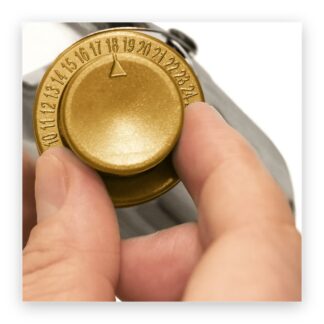
Champagne stopper
£5.95 Add to cart -
In stock

Free-flow pourer with collar
£3.95 Add to cart -
In stock
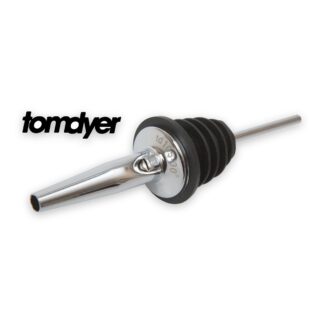
Slow/medium flow rubber bottle pourer
£2.75 Add to cart -
In stock

Speed pourers with dust caps, pack of six
£10.50 Add to cart -
In stock
Tapered rubber pourers, pack of twelve
£8.90 Add to cart -
In stock
Waiter’s friend corkscrew, double-hinged
£9.50 Add to cart -
In stock

Wall-mounted bottle opener with cap catcher
£14.50 Add to cart -
In stock

Wine bottle re-sealer, pack of 10
£6.50 Add to cart -
In stock

Winged corkscrew
£11.00 Add to cart
Showing all 10 results
Pourers and bottle tools handle the small, repeated jobs behind a home bar: getting spirit out of a bottle at a steady rate, opening wine or beer, and keeping an opened bottle drinkable for another day. Speed pourers are quick once you've learned to count a pour, but they're no substitute for a measure when a recipe needs to be accurate. A bar blade is worth having for combining an opener and corkscrew in one flat tool.
Which type do you need?
These are the main tools for getting drinks out of bottles and keeping them fresh once open.
| Type | Best for | Worth knowing |
|---|---|---|
| Speed pourer | Free-pouring spirits once you've practised counting a pour | Less accurate than a measure; easy to over-pour without noticing |
| Bar blade | Opening wine, beer and removing foil with one compact tool | The corkscrew worm needs care not to bend on tough corks |
| Wine stopper | Keeping an opened bottle drinkable for another day or two | Won't stop wine oxidising forever u2014 drink within a few days |
| Bottle opener | Straightforward crown-cap opening with no extra features | Does one job only, with no corkscrew or foil cutter |
How to choose
Are speed pourers actually accurate?
Not on their own. A speed pourer controls the flow of spirit so it comes out at a steady rate, but the amount you pour still depends on how long you hold the bottle up, which is something you learn by counting u2014 for example, counting to four for a 25ml measure with a particular pourer. Different pourers flow at slightly different speeds, and sticky ingredients like liqueurs pour more slowly than clear spirits, so the count isn't universal. For recipes where the ratio of ingredients matters, use a proper measure alongside the pourer. Speed pourers earn their keep on high-volume, repeated pours u2014 the same spirit, the same drink, over and over u2014 more than on precision for a one-off cocktail.
What is a bar blade, and do you need one?
A bar blade, sometimes called a waiter's friend, combines a small foil cutter, a corkscrew worm and a bottle-cap opener into one folding tool u2014 the kind used by bar and restaurant staff because it fits in a pocket and handles almost anything a bottle throws at it. For a home bar it's a genuinely useful single purchase rather than owning a separate corkscrew and bottle opener, since it covers wine, beer and most spirit bottles. The main thing to get right is the corkscrew's worm: a thin, flimsy one can bend or snap on an old or stubborn cork, so it's worth choosing one with a sturdy, well-finished worm.
How long does a wine stopper actually keep wine fresh?
A few extra days at most, not weeks. Once a bottle is open, wine is exposed to oxygen, which gradually dulls its flavour and aroma u2014 a stopper slows that but doesn't stop it. A simple rubber or silicone stopper keeps out dust and reduces air exchange a little; a vacuum-pump stopper removes some of the air first, which slows oxidation further and can keep wine tasting reasonably fresh for two to four extra days in the fridge. Sparkling wine needs a different stopper altogether u2014 one that holds pressure in the bottle to keep the bubbles from going flat.
Common questions
How do speed pourers work?
A speed pourer fits into the neck of an open bottle and has a small air-intake tube alongside the spout, which lets air into the bottle as liquid flows out, giving a smooth, steady stream rather than the glugging you get from an unfitted bottle. Because the flow rate is consistent, you can learn roughly how long to tip the bottle for a given amount, though this varies by pourer and by how thick the liquid is.
Can I leave speed pourers in bottles permanently?
You can, and many people do for bottles used often, but it's worth taking them out and washing them occasionally, since sticky spills around the spout attract dust and go slightly tacky over time. For bottles used rarely, it's tidier to keep pourers out and fit one only when you're using that bottle. There's no harm to the spirit from a clean pourer left in place.
What's the difference between a bar blade and a normal corkscrew?
A normal corkscrew usually just pulls corks, sometimes with a simple lever. A bar blade adds a small hinged foil cutter and a bottle-cap opener to the same folding tool, so it handles wine, foil-topped bottles and crown-capped beer with one item rather than three. A dedicated corkscrew with a longer lever can be a little easier on a stubborn cork.
Do wine stoppers work on all bottles?
Ordinary wine stoppers fit standard still wine bottle necks and work well for red, white and rosu00e9. They are not designed to hold pressure, so they don't work on sparkling wine or Champagne, which need a specific clip-on champagne stopper. Using a plain stopper on a fizzy bottle risks it popping off and losing the carbonation, so it's worth having one of each.
Is a bar blade better than separate tools?
For most home use, yes, mainly for convenience u2014 one folding tool that opens wine, beer and cuts foil takes up less drawer space than three separate items. A dedicated corkscrew with a longer lever arm can be gentler on an old, crumbly cork, and a fixed wall-mounted opener is quicker for a beer. If you only want to own one thing, a well-made bar blade covers the most situations.