Bottle openers & sealers
Bar openers are built to take crown caps off quickly and repeatedly, either as a hand blade or as a fixed unit mounted under the counter or on the wall.
- Mounted openers pair with a cap catcher u2014 otherwise caps go on the floor
- A blade that slips off caps has worn out, it is not technique
- Resealers pay for themselves on slow-moving bottled lines
Showing 1–24 of 25 results
-
In stock

Bar Blade Bottle Opener 7″
£3.99 Add to cart -
In stock
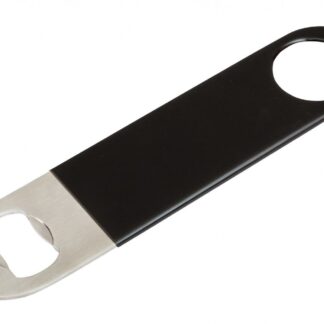
Black Bar Blade Bottle Opener 7″
£4.99 Add to cart -
In stock

BrewRight Stand-Up Bottle Opener & Catcher
£10.99 Add to cart -
In stock

Copper Plated Champagne Stopper
£11.99 Add to cart -
In stock

Copper Plated Double Reach Corkscrew
£9.99 Add to cart -
In stock

Deluxe Can Crusher: Crush Cans and Reduce Waste with Style
£14.99 Add to cart -
In stock

Double Reach Corkscrew, set of 12
£3.99 Add to cart -
In stock

Durable Stainless Steel Handheld Bottle Opener – Pack of 10
£8.99 Add to cart -
In stock

Eclipse Black Double Reach Corkscrew
£2.99 Add to cart -
In stock

Gold Plated Bar Blade Bottle Opener 7″
£7.99 Add to cart -
In stock

Gold Plated Champagne Stopper
£11.99 Add to cart -
In stock

Gold Plated Double Reach Corkscrew
£9.99 Add to cart -
In stock
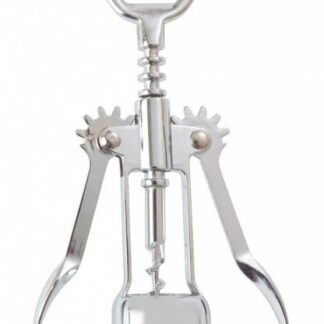
Lever Arch Cork Screw
£7.99 Add to cart -
In stock
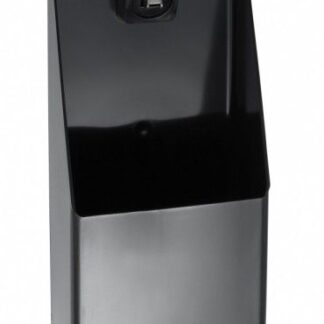
Pillar Opener Complete Set
£16.99 Add to cart -
In stock
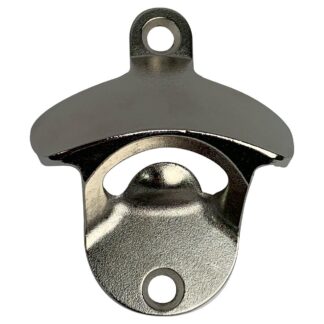
Rustic Iron Wall Mounted Bottle Opener
£3.99 Add to cart -
In stock

S/St. ‘Bar Blade’ Flat Bottle Opener 7″
£3.99 Add to cart -
In stock
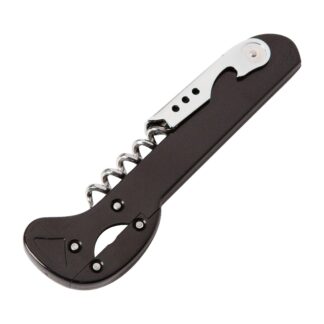
Sleek Black Bottle Opener Corkscrew With Foil Cutter
£15.99 Add to cart -
In stock

Sleek Stainless Steel Waiter’s Friend Bottle Opener
£2.99 Add to cart -
In stock

Stainless Steel Waiter’s Friend Bottle Opener
£7.99 Add to cart -
In stock

Standard Swivel Opener
£7.99 Add to cart -
In stock
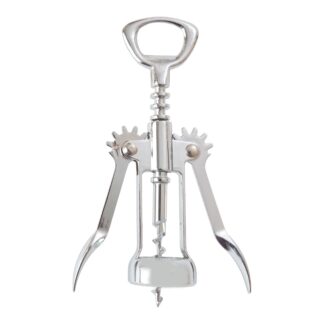
Twin Lever Corkscrew 6.1/4″
£9.99 Add to cart -
In stock

Twin Lever Corkscrew, set of 24
£145.99 Add to cart -
In stock

Waiter’s Friend Bottle Opener Burgandy
£2.99 Add to cart -
In stock
Waiters Friend Corkscrew 110mm Long
£4.99 Add to cart
Showing 1–24 of 25 results
Speed is what separates a bar opener from a kitchen one. A bar blade opens a bottle in one movement and lives in an apron pocket; a mounted opener never gets lost, which behind a busy bar is worth more than it sounds. Wall and counter-mounted units usually pair with a catcher to collect the caps rather than have them go on the floor.
How to choose
What to know
Sealers and stoppers do the opposite job and matter for stock control. A resealed bottle of wine or a stoppered soft drink keeps its condition overnight instead of being poured away, and on a slow-moving line that is the difference between selling a bottle and binning it.
What to know
The failure point on any opener is the lip that hooks the cap. Pressed steel bends over time, which is why fixed openers are usually specified in something heavier u2014 if an opener has started to slip off caps rather than lifting them, it has worn rather than needing a knack.
Common questions
Wall-mounted or hand-held?
Both, usually. A mounted opener is fast and cannot be mislaid, which suits the main service point. A blade in the apron covers the rest of the bar and table service.
Do bottle sealers actually keep a drink fresh?
They slow the loss of carbonation and reduce oxidation, which buys you a day or two on an opened bottle rather than a week. On a slow-selling line that is often the difference between selling it and pouring it away.