Cask line cleaning
Line cleaning equipment flushes detergent and then fresh water through beer lines, removing the yeast, protein and bacterial film that builds up inside them between cleans.
- Weekly is the standard interval; monthly shows in the glass
- Chase detergent through with fresh water until it runs completely clear
- Wear gloves and eye protection u2014 line cleaner is caustic
Showing 1–24 of 61 results
-
In stock

15 litre Pressurised Dumpy Beer Line Cleaning Bottle
£82.99 Add to cart -
In stock
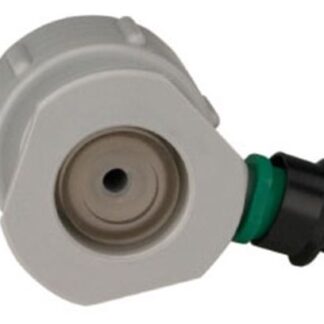
15 litre Short Dumpy Grundy Cap & Tube
£55.99 Add to cart -
In stock

15 litre Short Dumpy Key Keg Cap & Tube
£148.99 Add to cart -
In stock
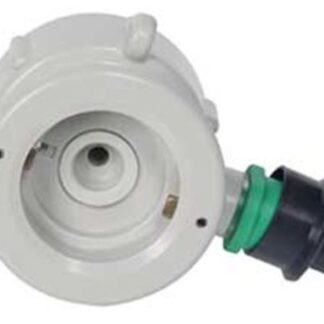
15 litre Short Dumpy Sankey Cap & Tube
£55.99 Add to cart -
In stock

15 litre Short Dumpy Type A Cap & Tube
£55.99 Add to cart -
In stock

15 litre Short Dumpy Type D Cap & Tube
£55.99 Add to cart -
In stock

15 litre Short Dumpy Type U Cap & Tube
£55.99 Add to cart -
In stock

15 litre Tall Slimline Grundy Cap & Tube
£55.99 Add to cart -
In stock

15 litre Tall Slimline Sankey Cap & Tube
£55.99 Add to cart -
In stock

15L Beer Line Cleaning Bottle Only Slimline
£81.99 Add to cart -
In stock

3/4 BSP Cleaning Socket for [WALL]
£37.99 Add to cart -
In stock

30 litre Grundy Cap & Tube
£55.99 Add to cart -
In stock
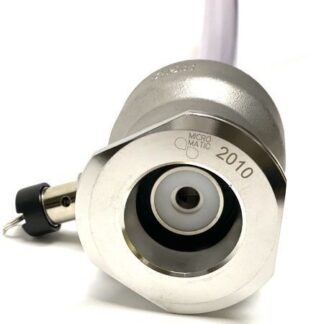
30 litre Key Keg Cap & Tube
£148.99 Add to cart -
In stock

30 litre Non Pressurised Cleaning Bottle With Cap & Tube Complete
£112.99 Add to cart -
In stock

30 litre Pressurised Beer Line Cleaning Bottle
£115.99 Add to cart -
In stock

30 litre Sankey Cap & Tube
£55.99 Add to cart -
In stock

30 litre Type A Cap & Tube
£55.99 Add to cart -
In stock

30 litre Type D Cap & Tube
£55.99 Add to cart -
In stock

30 litre Type U Cap & Tube
£55.99 Add to cart -
In stock

5 Litre Beer Line Cleaning Bottle Only
£55.99 Add to cart -
In stock

5 litre Beer Line Cleaning Bottle with Grundy Type G Cap & Tube
£103.99 Add to cart -
In stock
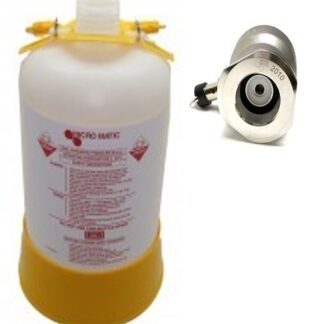
5 litre Beer Line Cleaning Bottle with Key Keg Cap & Tube
£182.99 Add to cart -
In stock
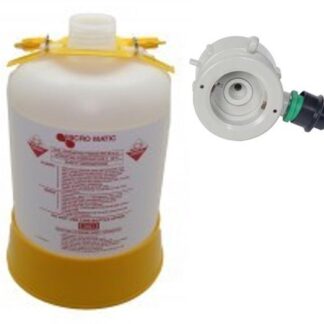
5 litre Beer Line Cleaning Bottle with Sankey Type S Cap & Tube
£103.99 Add to cart -
In stock

5 litre Beer Line Cleaning Bottle with Type A Cap & Tube
£103.99 Add to cart
Showing 1–24 of 61 results
Every line grows a biofilm. It starts within days of a clean, and it is what turns a good beer sour in the glass u2014 the beer itself is fine in the cask or keg and picks up the fault on the way to the tap. Standard trade practice is a clean every seven days, and the difference between a line cleaned weekly and one cleaned monthly is obvious to anyone drinking from it.
How to choose
What to know
A cleaning bottle takes the place of the cask or keg at the top of the line: detergent goes in, the system pushes it through to the tap, it stands for the time the chemical calls for, and then it is chased through with fresh water until it runs clear. Pressurised bottles use gas to drive the solution through, which suits longer runs and multiple lines; non-pressurised versions rely on the pump and suit a simple gravity or single-line setup.
What to know
Cleaning chemicals are strong enough to matter. They want handling with gloves and eye protection, keeping away from skin, and rinsing through thoroughly u2014 a line that still tastes of detergent has not been chased through with enough water.
Common questions
How often should beer lines be cleaned?
Every seven days is the usual trade standard. Biofilm starts rebuilding within days of a clean, and a line left much longer than a week will start to affect the taste of the beer coming through it.
What happens if lines are not cleaned?
Yeast, protein and bacteria build a film inside the tubing. The beer picks up sour or vinegary flavours on its way to the tap, throws its head badly, and the line eventually restricts. The beer in the cask is usually fine u2014 the fault is in the line.
Pressurised or non-pressurised cleaning bottle?
A pressurised bottle uses gas to push the solution through and suits longer runs and multiple lines. A non-pressurised one relies on the existing pump and is enough for a simple single-line or gravity setup.