Martini glasses
A martini glass is the V-shaped stemmed cone used for drinks served up, without ice. Most hold 175ml to 250ml, leaving headroom above a 90 to 120ml pour. The wide rim looks the part but spills easily.
- Most martini glasses hold between 175ml and 250ml
- Built for drinks served up, with no ice in the glass
- The wide, straight-sided cone tips and spills more readily than a coupe
- Thin stems and rims last longer hand-washed than in a dishwasher
Showing 1–24 of 49 results
-
In stock
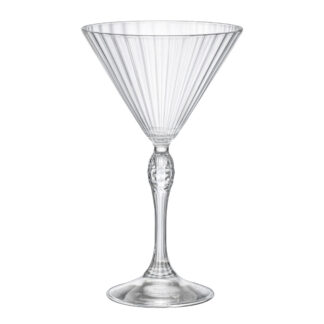
Americas 20s Martini 18.42cm H 25cl, set of 12
£171.99 Add to cart -
In stock
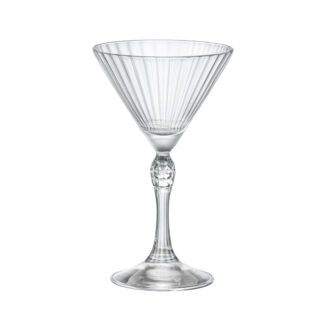
Americas 20s Martini Small 15.88cm H 15.5cl, set of 24
£232.99 Add to cart -
In stock

BarGiani Martini 6.75oz(19cl), set of 6
£96.99 Add to cart -
In stock
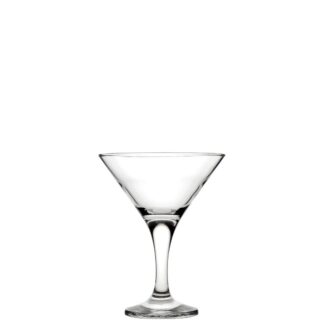
Bistro Martini 6.6oz (19cl), set of 24
£112.99 Add to cart -
In stock
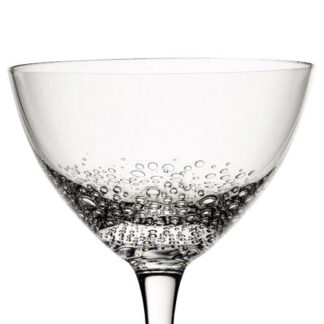
Botanist Martini 6oz (18cl), set of 6
£67.99 Add to cart -
In stock
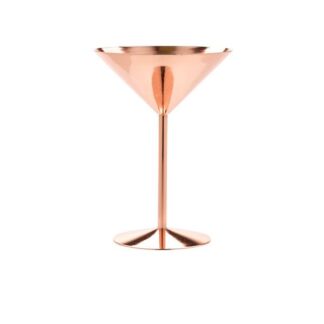
Copper Martini Glass 24cl/8.5oz
£25.99 Add to cart -
In stock

Design + Contemporary Martini 24cl (8.5oz), set of 12
£134.99 Add to cart -
In stock
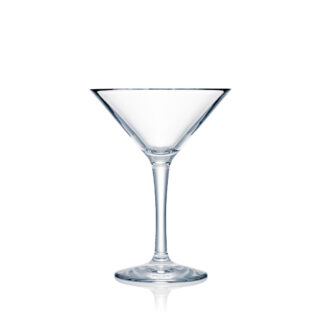
Design + Contemporary Martini 29.5cl (10.5oz), set of 12
£149.99 Add to cart -
In stock
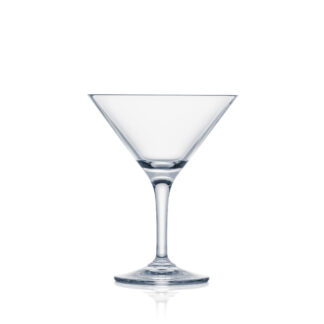
Design + Contemporary Martini 35.5cl (12.5oz), set of 12
£138.99 Add to cart -
In stock

Diamond Martini 10oz (28cl), set of 12
£72.99 Add to cart -
In stock
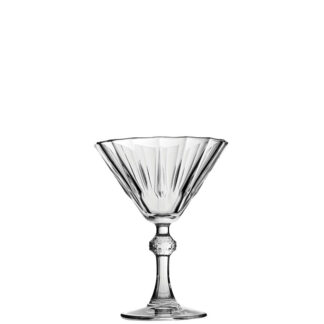
Diamond Martini 8oz (24cl), set of 12
£84.99 Add to cart -
In stock

Elysia Martini 7.75oz (22cl), set of 24
£249.99 Add to cart -
In stock

Enoteca Martini Gold Rim 7.5oz (22cl) *Handwash, set of 6
£36.99 Add to cart -
In stock

Estrella Martini 7.75oz (22cl), set of 12
£121.99 Add to cart -
In stock
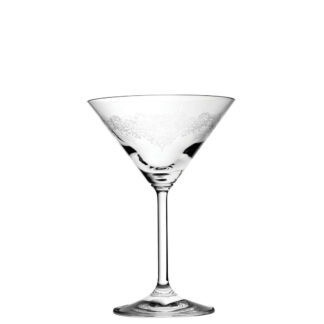
Filigree Martini 7.25oz (21cl), set of 24
£385.99 Add to cart -
In stock

FT Martini Glass 7.25oz(21cl), set of 6
£40.99 Add to cart -
In stock
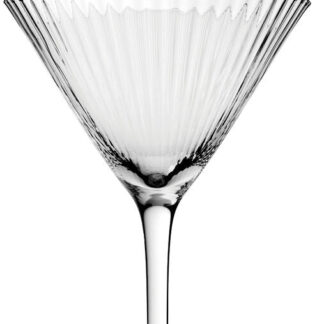
Hayworth Martini 10.5oz (30cl), set of 6
£77.99 Add to cart -
In stock
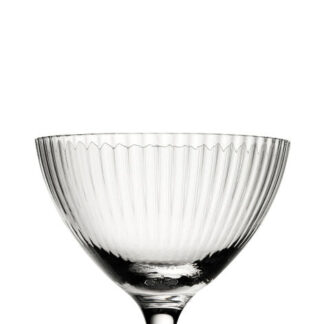
Hayworth Martini 6.5oz (19cl), set of 6
£65.99 Add to cart -
In stock

Imperial Plus Martini 7.75oz (22cl), set of 12
£128.99 Add to cart -
In stock
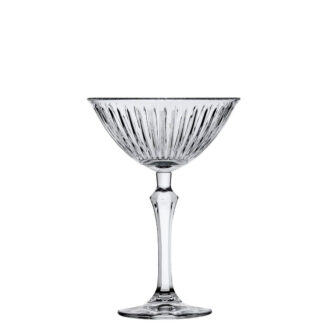
Joy Martini 7.75oz (22cl), set of 8
£72.99 Add to cart -
In stock

Loire Martini 8.5oz (24cl), set of 6
£44.99 Add to cart -
In stock

Lucent Hastings Martini 8.25oz (23.5cl), set of 6
£96.99 Add to cart -
In stock

Lucent Vintage Martini 8.3oz (23.5cl), set of 6
£91.99 Add to cart -
In stock
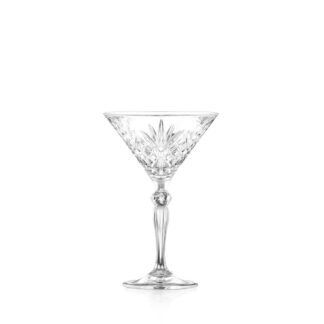
Melodia Martini 16.51cm H 21cl, set of 12
£125.99 Add to cart
Showing 1–24 of 49 results
The martini glass is the most recognisable shape in cocktail glassware: a straight-sided cone on a long stem, made to hold a drink served up so nothing dilutes it in the glass. Most hold 175ml to 250ml, which leaves room above a typical 90 to 120ml pour for an olive, a twist or a float of coffee beans.nnIt is also the shape most likely to end up on the carpet. The wide rim and shallow slope mean any tilt sends liquid over the edge, which is why plenty of bars now pour the same drinks into coupes or Nick & Noras instead. The original look still has its followers, and the broad surface shows off an espresso martini's foam well.
Which type do you need?
Martini glasses differ mainly in capacity and in how steeply the cone flares, and two related stemmed shapes do the same job with less mess.
| Type | Best for | Worth knowing |
|---|---|---|
| Classic V-shaped martini glass | The traditional look for anything served up | The widest rim of the common cocktail glasses, so it spills most easily |
| Small martini glass, around 175ml | Single-serve pours that stay cold to the last sip | Tight on space once an espresso martini builds a head of foam |
| Large martini glass, 250ml and up | Espresso martinis and drinks with a generous garnish | A big pour warms up before most people finish it |
| Coupe or Nick & Nora | The same drinks with far less risk of spillage | A different silhouette, so it will not match a V-shaped set |
How to choose
Why do martini glasses spill so easily?
Two things work against it. The bowl is wide and shallow, so the surface of the drink sits close to the rim with very little wall to contain it, and the weight of that liquid sits high above a narrow foot. Tilt the glass a few degrees while walking and the drink runs straight over the edge rather than sloshing back down into a curve. Coupes and Nick & Noras solve the same problem by curving the glass inwards near the rim, which redirects moving liquid back towards the middle instead of out.
What size martini glass should you buy?
A shaken or stirred cocktail served up usually comes to 90 to 120ml once it is strained, so a glass in the 175ml to 200ml range holds it comfortably with room for a garnish. Anything much larger tempts you into oversized pours, and a big drink with no ice in it warms towards room temperature well before the last mouthful. The exception is the espresso martini, where the foam needs headroom, so 250ml earns its place if that is your regular order.
Martini glasses or coupes: which should you actually buy?
If you want the classic silhouette on the shelf, buy martini glasses and accept that they need a steady hand and a clear table. If you care mainly about drinking the cocktail, a coupe or Nick & Nora does the identical job, holds a similar amount and survives being carried across a room. Many home bars end up with both: a pair of V-shaped glasses for the look and something rounder for everyday use. Neither shape changes the taste of the drink, only how likely you are to lose some of it.
Common questions
How much does a martini glass hold?
Most sit between 175ml and 250ml to the brim, though the drink itself is far smaller. A shaken or stirred cocktail served up is usually 90 to 120ml once strained, so the extra capacity is headroom for the garnish and for carrying the glass without an immediate spill. Oversized 300ml glasses exist but are hard to drink from tidily.
Can you serve an espresso martini in a martini glass?
Yes, and it is one of the drinks the shape genuinely flatters, because the wide surface shows the foam and the three coffee beans clearly. Choose a glass at the larger end, around 220ml to 250ml, since the foam adds volume above the liquid. In a small martini glass the head has nowhere to sit and tends to creep over the rim.
Why do bars use coupes instead of martini glasses?
Mainly practicality. A coupe holds a similar amount but curves inwards towards the rim, so drinks stay put when the glass is carried across a busy room, and the shorter stem is less prone to snapping in a wash-up tray. Bartenders also find them easier to stack and store. The drink inside is identical either way.
Should you chill a martini glass before pouring?
Yes, if you want the drink cold to the last sip. There is no ice in the glass to hold the temperature, so a room-temperature glass starts warming the cocktail the moment it lands. Ten minutes in the freezer works, or fill the glass with ice and water while you mix, then tip it out and dry the rim before pouring.
Are martini glasses dishwasher safe?
Thicker machine-made glasses usually are, but long stems and fine rims are the parts most likely to chip or cloud over repeated cycles, and a tall glass can rock in the basket and knock against its neighbours. Hand-washing in warm water and drying with a soft cloth keeps them clear for years. Check the maker's guidance for anything crystal.