Garnish tools
Garnish tools shape the citrus, herbs and finishing touches that add aroma to a drink. A channel knife cuts twists and spirals, a peeler makes wide citrus swaths, and tweezers place delicate garnishes neatly without using your fingers.
- A citrus twist releases oils that change how a drink smells
- Channel knives cut long, thin peel for spirals and twists
- Garnish tweezers help place small items in a full glass
- Dehydrated citrus wheels last months and add no extra juice
Showing all 20 results
-
In stock
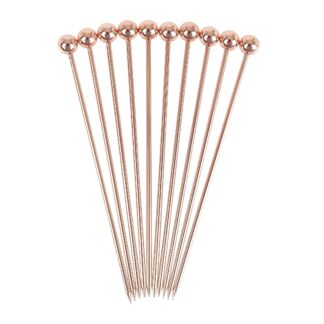
Ball Garnish Pick Copper Plated
£15.99 Add to cart -
In stock

Ball-top cocktail picks, set of six
£6.50 Add to cart -
In stock
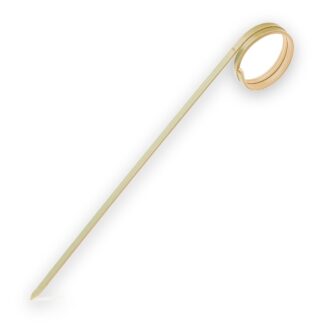
Bamboo garnish picks, pack of 100
£4.50 Add to cart -
In stock
Citrus wedger, eight-slice
£11.50 Add to cart -
In stock
Cocktail smoker kit with wood chips
£22.99 Add to cart -
In stock
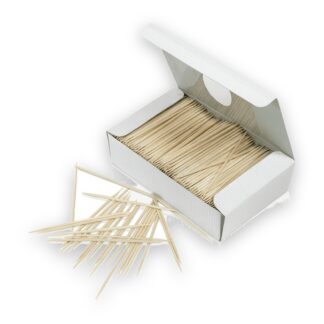
Cocktail sticks, pack of 1000
£4.75 Select options This product has multiple variants. The options may be chosen on the product page -
In stock

Copper Plated Pineapple Garnish Picks – Pack of 10
£22.99 Add to cart -
In stock

Eco-Friendly Wooden Cocktail Sticks – Pack of 1000
£2.99 Add to cart -
In stock
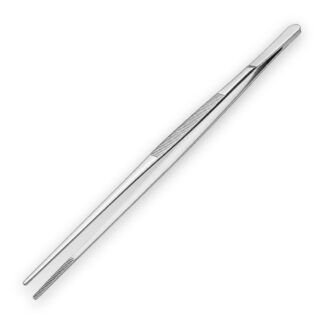
Garnish tweezer tongs, 20cm
£8.50 Add to cart -
In stock
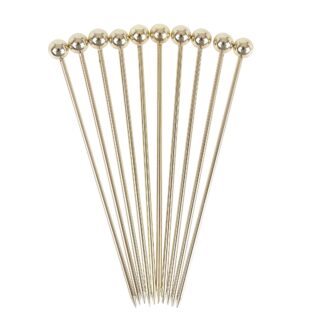
Gold Plated Ball Garnish Picks – Pack of 10
£15.99 Add to cart -
In stock
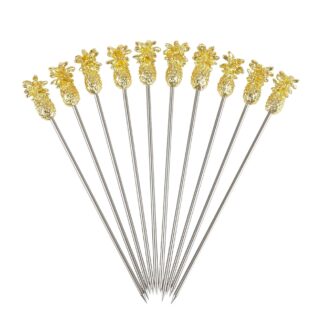
Gold Plated Pineapple Garnish Picks – Pack of 10
£22.99 Add to cart -
In stock
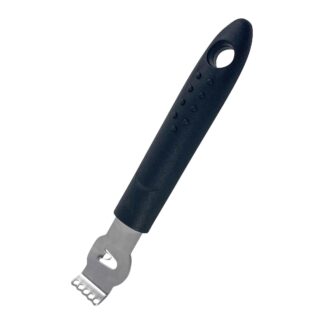
Master Zester and Canale Cutter Set
£3.99 Add to cart -
In stock

Mexican elbow lime squeezer
£10.50 Add to cart -
In stock
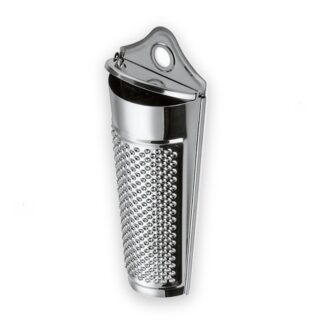
Nutmeg grater with storage cap
£9.50 Add to cart -
In stock
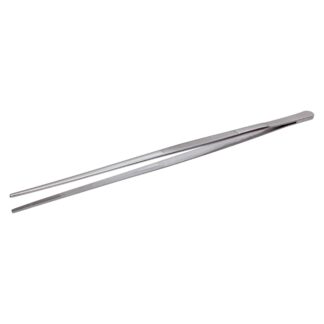
Professional 30cm Garnish Tweezers
£12.99 Add to cart -
In stock
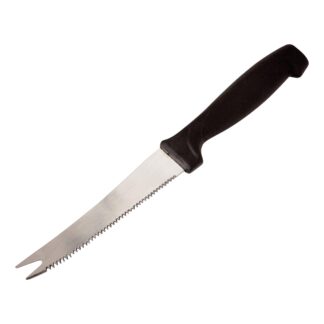
Professional Bartenders Knife With Serrated Blade for Garnishes & Fruit
£2.99 Add to cart -
In stock
Ring-top cocktail picks, set of six
£6.50 Add to cart -
In stock
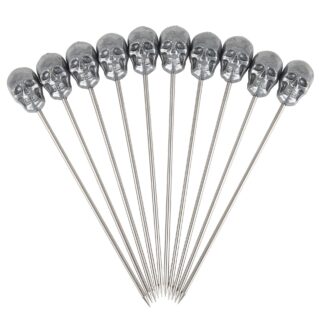
Skull Garnish Picks
£21.99 Add to cart -
In stock

Three-tier glass rimmer
£10.99 Add to cart -
In stock
Zester with channel knife
£8.00 Add to cart
Showing all 20 results
A good garnish isn't decoration for its own sake u2014 a citrus twist releases oils that change the smell of a drink before you taste it, and a sprig of mint does the same. This range covers the small tools that make garnishing easier and neater: channel knives and peelers for citrus, picks for olives and cherries, tweezers for placing delicate items in a full glass, and dehydrated fruit for a garnish that keeps for months rather than a day.
Which type do you need?
Here's what each garnish tool is actually for.
| Type | Best for | Worth knowing |
|---|---|---|
| Channel knife | Long, thin citrus peel for spirals and knotted twists | Takes practice to get an even, unbroken length of peel |
| Y-shaped citrus peeler | Wide swaths of peel for expressing oils over a drink | Less precise than a channel knife for thin decorative spirals |
| Cocktail picks | Skewering olives, cherries and other small garnishes | Cheap sets can be flimsy; metal picks last far longer |
| Garnish tweezers | Placing delicate garnishes into a full or narrow glass | An extra tool that many people manage fine without |
How to choose
What does a citrus twist actually add to a drink?
Mostly aroma, not flavour. When you twist a piece of citrus peel over a drink, you're squeezing tiny oil glands in the skin, which spray a fine mist of aromatic oil across the surface of the drink and the rim of the glass. That's why the classic instruction is to twist the peel skin-side down towards the glass, then either drop it in or rub it around the rim u2014 the oil is doing most of the work, not the peel's colour. A channel knife makes this easier because it cuts a long, thin strip with very little bitter white pith attached, and pith can make the oil taste harsher. A vegetable peeler works too and is cheaper, but takes a wider swath with it.
Are cocktail picks worth buying, or is a toothpick fine?
A regular toothpick will hold an olive or a cherry perfectly well, so if you only garnish drinks occasionally there's no real need for anything else. Cocktail picks earn their place mainly through looks and durability u2014 metal ones don't splinter, are reusable and washable, and a set of matching picks looks tidier on a tray of drinks than mismatched toothpicks. They're also a bit longer, which helps them sit across the rim of a coupe rather than disappearing inside it. If you host regularly, a set of reusable metal picks is a small, inexpensive upgrade. For your own drink at home, whatever's in the kitchen drawer is genuinely fine.
How long do dehydrated garnishes actually last?
Properly dried and stored, dehydrated citrus wheels or herb sprigs keep for several months in an airtight container, compared with fresh citrus, which needs using within a few days. That makes dehydrated garnish useful if you don't want to buy a whole lime just to use one slice, or want garnish ready without cutting fresh fruit each time. The trade-off is aroma and juice: a dehydrated wheel looks striking floated on a drink but doesn't release the same fresh oil as a twist of fresh peel, and contributes no juice at all. Use dehydrated garnish for looks, and fresh citrus when the oils genuinely matter.
Common questions
What's the difference between a channel knife and a peeler?
A channel knife has a small notched blade that cuts a narrow strip of peel, usually a few millimetres wide, ideal for twists and spirals because it bends easily and leaves most of the bitter white pith behind. A vegetable or Y-shaped peeler takes a wider swath, better for laying flat across the top of a drink or expressing a larger burst of oil, but it lifts more pith too.
Do I need to twist citrus peel or can I just drop it in?
Twisting matters more than dropping. The point of a citrus garnish is usually the aromatic oil in the peel's skin, which only releases properly when the peel is bent or twisted over the glass, spraying a fine mist across the drink's surface. Simply dropping in an untwisted piece adds a little flavour over time but skips the immediate burst of aroma most cocktails are designed around.
How do you dehydrate citrus at home for garnishes?
Slice citrus thinly and evenly, pat off excess juice, and dry the slices in a low oven u2014 around 60 to 70u00b0C u2014 or a dehydrator for several hours, until firm and no longer sticky, turning them partway through. Oven times vary a lot with slice thickness, so check regularly rather than following a fixed time. Once fully dry, store in an airtight container; they'll keep for a few months.
Are garnish tweezers actually necessary?
No, they're a convenience rather than a necessity. Fingers or a regular fork manage most garnishing tasks fine, especially in wide glasses. Tweezers help most with narrow or very full glasses, where fitting a garnish in by hand risks knocking the drink, and with fiddly garnishes like a single small herb leaf. For occasional home use they're entirely optional.
What garnishes actually keep for a long time?
Dehydrated citrus wheels and dried herb sprigs keep longest, usually several months in an airtight container away from light and moisture. Cocktail cherries in syrup and pickled garnishes like cocktail onions also last weeks in the fridge once opened, because the syrup or brine preserves them. Fresh citrus, mint and soft herbs are the shortest-lived, generally only good for a few days.