Pourers
A pourer fits into a bottle neck to control the flow, so spirits come out at a steady predictable rate rather than glugging.
- A measured pourer is portion control, not a legal measure
- Wash regularly u2014 sugary spirits gum the spout and slow the pour
- Dust caps matter on bottles left out, especially in summer
Showing 1–24 of 73 results
-
In stock

10-Pack Black Economy Freeflow Plastic Drinks Pourers
£4.99 Add to cart -
In stock

25ml Clear Quick Shot Measure Pourer
£9.99 Add to cart -
In stock
25ml Red Quick Shot Measure Pourer
£9.99 Add to cart -
In stock
35ml Clear Quick Shot Measure Pourer
£9.99 Add to cart -
In stock
50ml Blue Quick Shot Measure Pourer
£9.99 Add to cart -
In stock
50ml Clear Quick Shot Measure Pourer
£9.99 Add to cart -
In stock
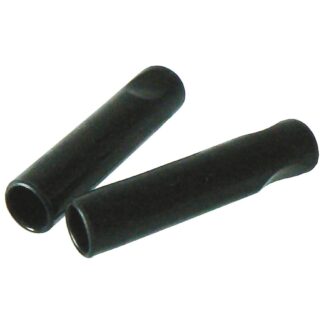
Black Narrow Pourer Dust Cover
£6.99 Add to cart -
In stock

Blue Quick Shot 3 Ball 50ml Measured Pourer
£52.99 Add to cart -
In stock

Blue Sure Shot 50ml Measured Pourer
£100.99 Add to cart -
In stock

Brushed Copper Pourer 9oz (26cl), set of 6
£67.99 Add to cart -
In stock
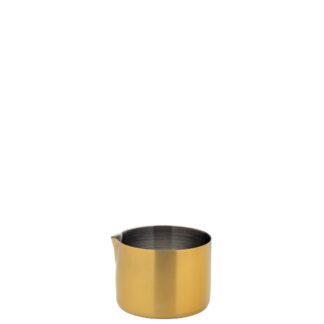
Brushed Gold Pourer 9oz (26cl), set of 6
£67.99 Add to cart -
In stock

Chrome Plated 50ml Aquaflow Pourer
£13.99 Add to cart -
In stock

Chrome Tapered Free Flow Pourer, set of 12
£19.99 Add to cart -
In stock

Clear Freeflow Quick Shot Pourer Pack of 12
£29.99 Add to cart -
In stock
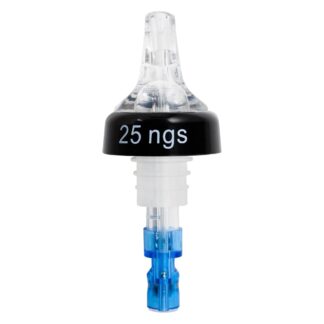
Clear Quick Shot 25ml NGS Pourers – Pack Of 12
£52.99 Add to cart -
In stock

Clear Quick Shot 35ml NGS Measured Pourer Pack Of 12
£52.99 Add to cart -
In stock
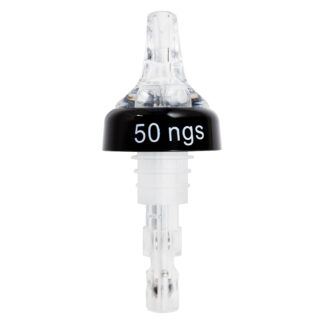
Clear Quick Shot Measured 50ml NGS Pourer – Pack Of 12
£52.99 Add to cart -
In stock

Clear Sure Shot 25ml NGS Measured Pourer
£100.99 Add to cart -
In stock

Clear Sure Shot 35ml NGS Measured Pourer
£100.99 Add to cart -
In stock

Copper Dash Pourer, set of 12
£38.99 Add to cart -
In stock

Copper Plated Stainless Steel Freeflow Drinks Pourer – Pack of 12
£33.99 Add to cart -
In stock

Copper Tapered Free Flow Pourer, set of 6
£27.99 Add to cart -
In stock

Craft Apple Pourer 8.5cl (3oz), set of 12
£247.99 Add to cart -
In stock
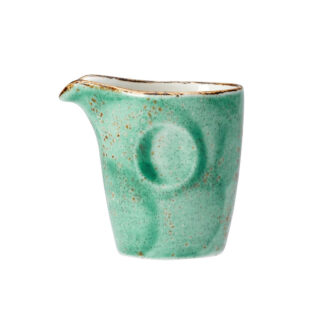
Craft Aqua Pourer 8.5cl (3oz), set of 12
£247.99 Add to cart
Showing 1–24 of 73 results
The point of a pourer is repeatability. A free pour from an open bottle varies with how full the bottle is and how the bottle is held; through a pourer it does not, which is what makes counted pours and speed pouring possible at all. Even where every measure goes through a jigger, a pourer makes the pour into the jigger faster and cleaner.
How to choose
What to know
Measured pourers go a step further and cut off at a set volume. They are useful for consistency, though for selling spirits in the UK the legal measure still has to come from a stamped measure or a stamped optic u2014 a measured pourer is a portion control tool rather than a legal instrument.
What to know
Pourers get sticky. Anything sugary will gum the spout and slow the flow, and a dust cap is worth having on bottles that sit out, particularly in a room with fruit flies. They come apart for washing and should go through regularly rather than when they stop working.
Common questions
Can I sell spirits measured by a pourer?
Not on its own. UK law requires spirits to be sold in stamped 25ml or 35ml measures, which means a stamped thimble or a stamped optic. A measured pourer is a useful portion control tool but is not the legal instrument.
Why has my pourer slowed down?
Sugar residue in the spout, almost always. Take it out, soak it in hot water and rinse it through. Pourers used for liqueurs need this far more often than ones used for gin or vodka.