Keg tubing, pipe & python
Beer tubing carries the beer from cellar to tap; a python is a bundle of those lines wrapped with a coolant flow so the beer stays cold the whole way up.
- Measure the real route including rise and bends, then add a margin
- Match the bore to your fittings u2014 mixed bores cause heady pours
- Python is cut to length from a reel, usually with a minimum order
Showing all 21 results
-
In stock

10 Line Python 19mm Foam (Per Metre) [min order = 5mtr]
£19.99 Add to cart -
In stock
14 Line Python 19mm Foam (Per Metre) [min order = 5mtr]
£26.99 Add to cart -
In stock
3/16″ Keg Beer Pipe
£0.99 Add to cart -
In stock
3/8″ Gas Beer Pipe
£1.99 Add to cart -
In stock
3/8″ Keg Beer Pipe
£1.99 Add to cart -
In stock
3/8″ MDPE Green Beer Pipe
£1.99 Add to cart -
In stock
3/8″ MDPE White Beer Pipe
£1.99 Add to cart -
In stock
5/16″ Keg Beer Pipe
£0.99 Add to cart -
In stock

Black 15mm pipe 30m roll
£55.99 Add to cart -
In stock

Black 3/8″ beer/gas pipe 100m roll
£50.99 Add to cart -
In stock

Blue 3/8″ beer/gas pipe 100m roll
£48.99 Add to cart -
In stock

Braided PVC 12.mm ID Pipe 30m roll
£92.99 Add to cart -
In stock

Clear 3/16″ beer/product pipe 100m roll
£33.99 Add to cart -
In stock

Clear 5/16″ beer/product pipe 100m roll
£46.99 Add to cart -
In stock

Green 3/8″ beer/gas pipe 100m roll
£48.99 Add to cart -
In stock
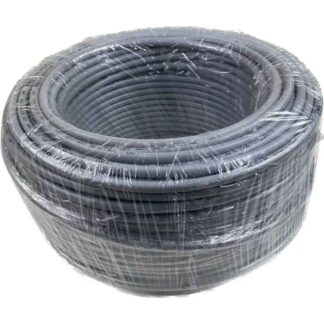
High-Quality 3/8″ Grey Beer Gas Pipe 100m Roll – Premium PE Tubing for Beverage Systems
£48.99 Add to cart -
In stock

High-Quality Clear Beer Tubing 3/8 Inch – Reliable Beverage Dispensing in a 100m Roll
£48.99 Add to cart -
In stock

Insulation Tape PVC 19mm X 33m Earth
£3.99 Add to cart -
In stock

Insulation Tape PVC 50mm X 33m Black
£7.99 Add to cart -
In stock

Pipework insulation Frigo 13mm wall 12mm internal hole – 18 meters box
£71.99 Add to cart -
In stock

White 3/8″ beer/gas pipe 100m roll
£48.99 Add to cart
Showing all 21 results
The distance between cellar and bar is the problem a python solves. A single uninsulated line will deliver cold beer for the first pint and progressively warmer beer after that, because the beer sitting in the line warms to room temperature between pours. A python keeps chilled coolant running alongside the beer lines inside a common insulated jacket, so the first pint after a quiet hour is as cold as the last one in a rush.
How to choose
What to know
Bore size sets flow, and it has to match the fittings and the rest of the system. Mixing bores without the correct reducers gives turbulence and a beer that pours with too much head. Whatever you order, order the fittings for the same specification at the same time.
What to know
Python is usually sold by the metre with a minimum length, because it is cut from a reel. Measure the actual route including the rise and any bends rather than the straight-line distance, and add a margin u2014 a python that is 300mm short is a very expensive mistake.
Common questions
What is a beer python?
A bundle of beer lines and coolant lines inside one insulated jacket. The circulating coolant keeps the beer cold along the whole run from cellar to bar, which a plain line cannot do.
How do I work out how much python I need?
Measure the actual route the line will take, including the vertical rise and every bend, then add a margin. Straight-line distance always underestimates it, and running short is expensive.