Cask cooling
Cask cooling holds a cask at serving temperature in the cellar, either by chilling the room or by cooling the cask itself with a jacket or saddle.
- Aim for a steady 11u201313u00b0C rather than cold
- Jackets and saddles cool the cask; cellar cooling chills the room
- Stability matters more than hitting an exact number
Showing all 22 results
-
In stock
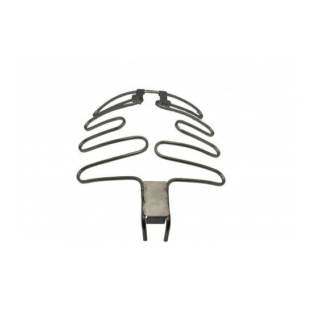
9 Gallon Cooling Saddle
£155.99 Add to cart -
In stock

9 Gallon Piped Multi Purpose Cooling Jacket – Key Keg
£172.99 Add to cart -
In stock
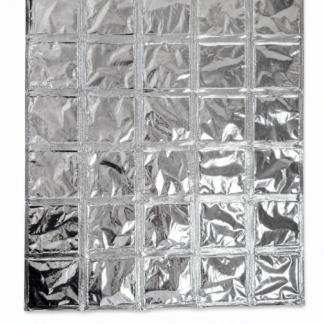
Cask Cool Ice Blanket (5 Pack)
£47.99 Add to cart -
In stock
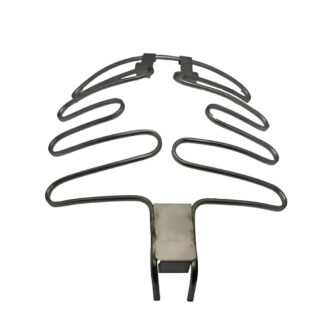
Cask Cooling Cradle Horizontal 9 Gallon
£73.99 Add to cart -
In stock

Cask Cooling Ice Blanket
£39.99 Add to cart -
In stock

Cask Cooling Jacket for 9 Gallon Casks – Ultimate Temperature Control for Perfect Cask Ale
£98.99 Add to cart -
In stock

Cask Cooling Saddle Kit
£348.99 Add to cart -
In stock
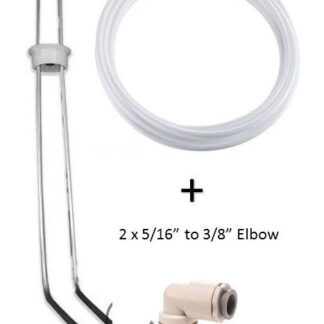
Cooling Probe KIT
£71.99 Add to cart -
In stock

Deluxe 4.5 Gallon Insulated Cask Jacket Laydown
£95.99 Add to cart -
In stock
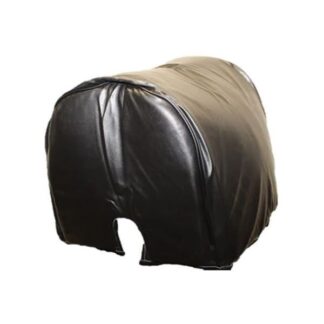
Deluxe 9-11 Gallon Insulated Cask Jacket Laydown
£110.99 Add to cart -
In stock

Deluxe 9-11 Gallon Upright Keg Insulated Jacket
£112.99 Add to cart -
In stock
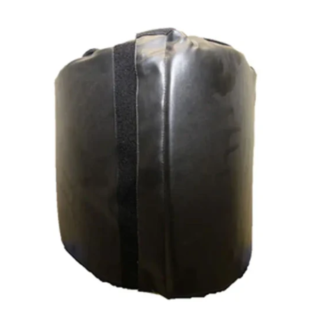
Deluxe Upright Keg 30 litre Jacket
£84.99 Add to cart -
In stock
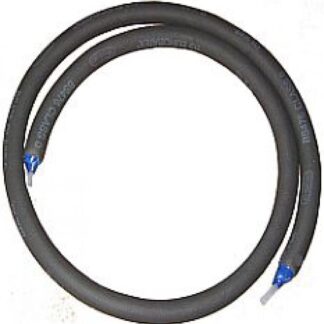
Insulated Beer Line
£13.99 Add to cart -
In stock
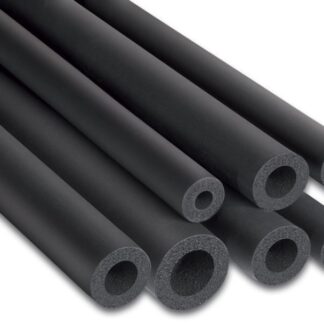
Insulation Tube 13mm wall x 2000mm Length x (20mm Internal Dimension) QTY: 1
£9.99 Add to cart -
In stock
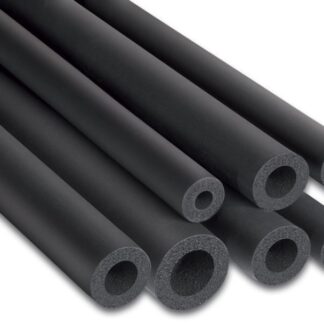
Insulation tube 13mm wall x 2000mm Length x (42mm Internal Dimension) QTY: 1
£11.99 Add to cart -
In stock
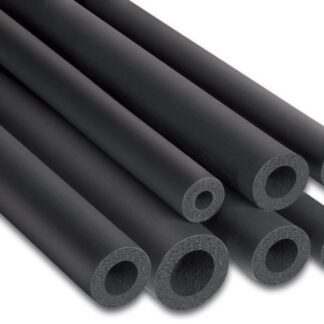
Insulation Tube 13mm wall x 2000mm Length x (9.5mm Internal Dimension) QTY: 1
£8.99 Add to cart -
In stock

Piped 4.5 Gallon Cask Jacket Laydown
£155.99 Add to cart -
In stock
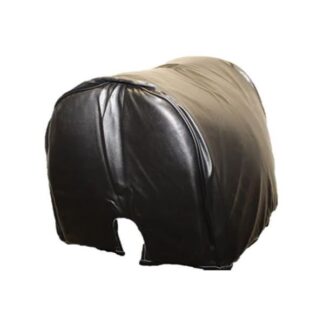
Piped 9-11 Gallon Cask Jacket Laydown
£179.99 Add to cart -
In stock
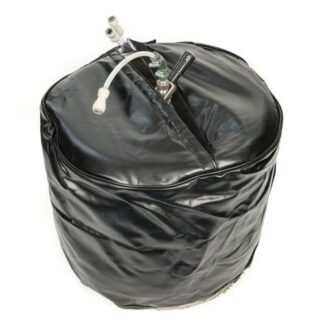
Piped Upright Keg 30 litre Jacket
£167.99 Add to cart -
In stock
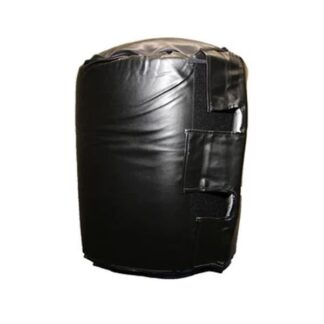
Piped Upright Keg Jacket 9-11 Gallon
£179.99 Add to cart -
In stock
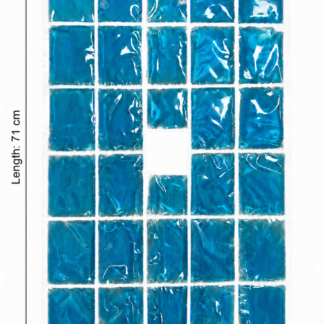
Reusable Ice Blanket
£43.99 Add to cart -
In stock

Reusable Ice Blanket / Laydown Jacket Cooling Kit
£119.99 Add to cart
Showing all 22 results
Cask ale is served at cellar temperature, which in practice means somewhere around 11 to 13 degrees. Warmer than that and the beer tastes flabby and works too fast; colder and the flavour shuts down and the condition goes flat in the glass. The point of cooling equipment is to hold that range steadily rather than to make the beer cold.
How to choose
What to know
Cooling the cask directly rather than the whole room is the cheaper approach where the cellar cannot be controlled u2014 a jacket wraps around the cask, a saddle sits over it, and the coolant circulates from a small chiller. It suits a bar with a handful of casks or a temporary setup at an event far better than trying to refrigerate a whole room.
What to know
Whichever route you take, steadiness beats precision. A cellar that swings several degrees between a quiet afternoon and a busy evening will affect the beer more than one that sits a degree off target and stays there.
Common questions
What temperature should cask ale be served at?
Around 11 to 13 degrees u2014 cellar temperature, not fridge temperature. Too cold and the aroma and flavour close up; too warm and the beer tastes flat and dull and deteriorates faster.
Is a cooling jacket as good as a cooled cellar?
For a few casks or a temporary bar, a jacket or saddle is the practical answer and considerably cheaper. A properly cooled cellar is better for a large stillage because it holds every cask at the same temperature.