Cask auto tilts
An auto tilt raises the back of a cask gradually as it empties, so the last few pints run clear instead of pulling sediment through.
- Raises the cask gradually so sediment is never stirred
- Pays for itself in the last pints of each cask
- Hand tilting works but needs settling time after every move
Showing all 3 results
-
In stock
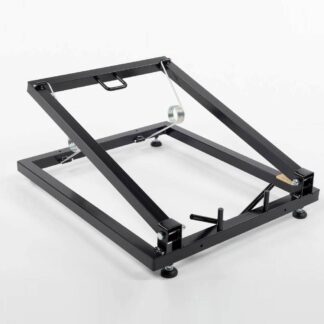
Cask Autotilt – 9 Gallon
£191.99 Add to cart -
In stock
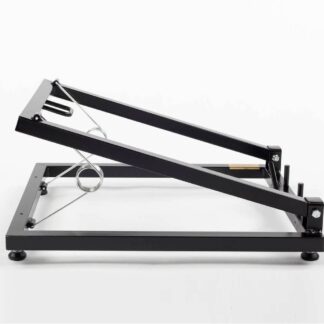
Cask Autotilt – 4.5 Gallon
£187.99 Add to cart -
In stock
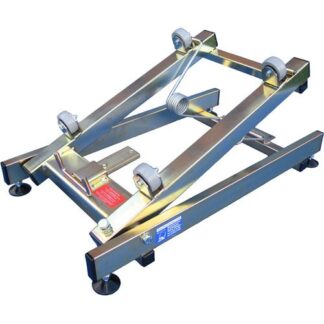
Standard Cask Autotilt – Suitable for 9 – 22 Gallon Casks
£263.99 Add to cart
Showing all 3 results
Every cask has sediment sitting at the bottom. As the level drops towards the tap, the beer starts drawing from nearer that layer and the pints go cloudy u2014 which on a nine-gallon firkin can mean the last several pints are unsellable.
How to choose
What to know
Tilting by hand works, but it disturbs the sediment every time it is moved, and it then needs time to settle again. An auto tilt raises the cask slowly and continuously as the weight comes off, so the sediment is never stirred and the beer keeps running clear to the end.
What to know
The gain is straightforwardly measured in pints you sell rather than pour away, which is why they pay for themselves on any line that regularly reaches the bottom of a cask.
Common questions
Why do the last pints of a cask go cloudy?
Because the beer is being drawn from close to the sediment layer at the bottom. Tilting the cask keeps the tap above that layer for longer.
Is an auto tilt better than tilting by hand?
It is gentler. Hand tilting moves the cask, which stirs the sediment and means waiting for it to settle again. An auto tilt raises it gradually enough that the sediment stays where it is.