Cellar equipment
Cellar equipment is everything between the delivery and the tap that is not the beer itself: stands, stillage, thermometers, tilters and the sundries that keep a cellar working.
- Keep a thermometer in the cellar u2014 it is the cheapest useful thing in the room
- Casks must sit level and dead still or the beer stays cloudy
- Leave room to move a full cask without lifting it awkwardly
Showing 1–24 of 57 results
-
In stock
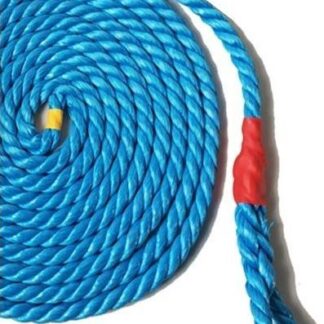
10mtr Barrel Rope With Loop
£83.99 Add to cart -
In stock

10mtr Barrel Rope With Loop + Carbine Hook
£95.99 Add to cart -
In stock

20″ Filter Paper Pk 100
£57.99 Add to cart -
In stock

3/4 BSP Hop Strainer – Pack 10
£10.99 Add to cart -
In stock

Ale Extractor Tube Cleaning Brush
£10.99 Add to cart -
In stock

Black Rubber Mallet 32oz
£14.99 Add to cart -
In stock

Carbine Hook 180mm x 14mm
£23.99 Add to cart -
In stock

Cask Breather (Autovent)
£12.99 Add to cart -
In stock

Cask Dip Rod (Flexible)
£40.99 Add to cart -
In stock

Cask Dip Rod (Lay Down)
£33.99 Add to cart -
In stock

Cask Dip Rod (Upright)
£38.99 Add to cart -
In stock

Cask Resealing Cork
£7.99 Add to cart -
In stock

Cask Resealing Corks (Pack 50)
£9.99 Add to cart -
In stock

Cask Stand – 4.5 Gallon
£38.99 Add to cart -
In stock

Cask Stand – 9 Gallon
£47.99 Add to cart -
In stock

Cellar Pad – Large
£630.99 Add to cart -
In stock

Cellar Sump Pump
£155.99 Add to cart -
In stock

Cellar Thermometer Plastic
£4.99 Add to cart -
In stock

Clip Cork Removal Spear
£19.99 Add to cart -
In stock

Co2 Gas Bottle Spanner
£7.99 Add to cart -
In stock

Cork Drop Bag
£131.99 Add to cart -
In stock

Dray Crash Pad 600mm x 600mm x 300mm
£292.99 Add to cart -
In stock

Flexible Hose & Jubilee Clip Driver – 90° Bend for Hard-to-Reach Clips
£24.99 Add to cart -
In stock

Flojet G56 Beer Pump – Elevate Your Beer Dispensing Experience
£118.99 Add to cart
Showing 1–24 of 57 results
A cellar is judged on temperature, cleanliness and order, in that sequence. Beer that is kept a few degrees too warm deteriorates faster than beer kept slightly too cold, and a cellar with no thermometer in it is being run on hope. A dial or digital thermometer costs very little and is the single most useful thing in the room.
How to choose
What to know
Casks want to be stationary, level and off the floor. A stand or stillage does that, keeps the cask at a workable height for tapping, and makes it possible to tilt it forward late in its life to get the last few pints off without disturbing the sediment. Anything that rocks will keep the beer cloudy however well it was vented.
What to know
The rest is housekeeping that pays for itself. Labelled casks so nobody guesses what is on line three, a clean floor so spills do not become a smell, and enough space to move a full cask without lifting it badly.
Common questions
What temperature should a beer cellar be?
Around 11 to 13 degrees for cask ale. Steadiness matters as much as the number u2014 a cellar that swings several degrees across the day is worse for the beer than one sitting slightly off target but constant.
Why does a cask need a stand?
To hold it level, still and at a height you can tap and tilt from. A cask that can rock keeps stirring its own sediment, and no amount of careful venting will give you a clear pint after that.