Ale extractors & fittings
An ale extractor draws cask beer from the cellar up to the bar, replacing the volume with filtered air or gas so the cask empties without going flat or drawing in contamination.
- Replaces the beer with clean air or gas rather than cellar air
- Most useful on slow-moving lines, least on fast ones
- Spares are pattern-specific u2014 check what you are running before ordering
Showing all 24 results
-
In stock

10 x Single Flexible Ale Extractor
£439.99 Add to cart -
In stock

18 Gallon Ale Extractor
£124.99 Add to cart -
In stock

9 Gallon Ale Extractor
£115.99 Add to cart -
In stock

Ale Extractor Open Nut
£3.99 Add to cart -
In stock

Ale Extractor Spares
£1.99 Add to cart -
In stock
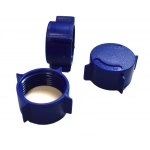
Blanking Nut For Ale Extractor Body
£6.99 Add to cart -
In stock
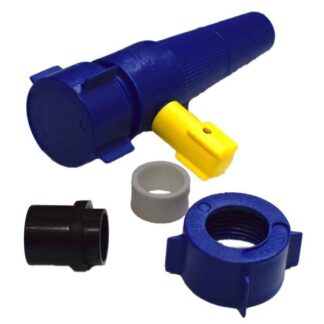
Body for Rigid Ale Extractor
£31.99 Add to cart -
In stock

Flexible Ale Extractor 2 Bodies 3/4 BSP – FIRKIN
£72.99 Add to cart -
In stock
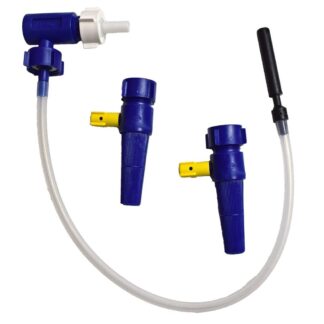
Flexible Ale Extractor 2 Bodies 3/4 BSP – KILDERKIN
£72.99 Add to cart -
In stock
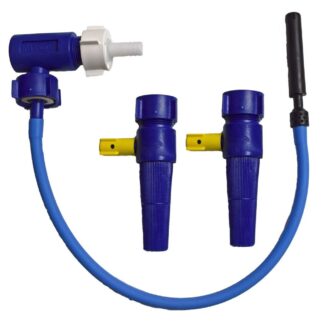
Flexible Ale Extractor 2 Bodies 3/4 BSP – PIN
£72.99 Add to cart -
In stock
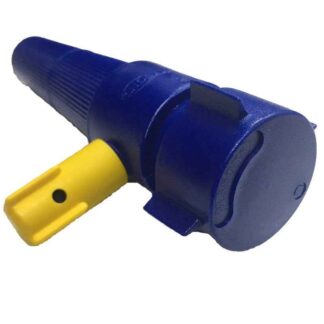
Flexible Ale Extractor Body
£31.99 Add to cart -
In stock

Flexible Ale Extractor Float
£12.99 Add to cart -
In stock
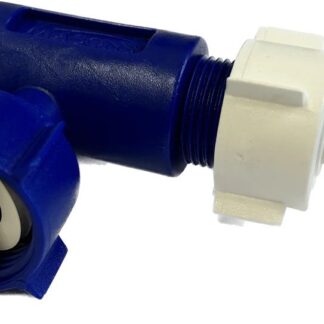
Flexible Ale Extractor Outlet – 3/4 BSP Single
£13.99 Add to cart -
In stock

Flexible Ale Extractor Outlet – Double
£36.99 Add to cart -
In stock

Flexible Ale Extractor Tube
£10.99 Add to cart -
In stock
Flexible Ale Extractor Tube – Firkin
£12.99 Add to cart -
In stock

Flexible Ale Extractor Tube – Kilderkin
£12.99 Add to cart -
In stock
Flexible Ale Extractor Tube – Pin
£12.99 Add to cart -
In stock
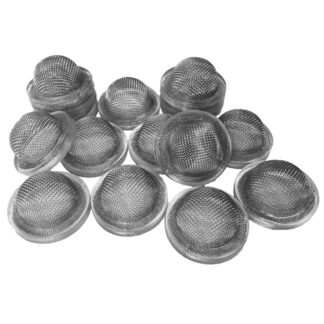
Hop Filters for cask ale – 10 pack
£7.99 Add to cart -
In stock
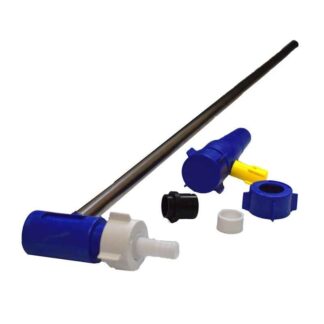
Single Rigid Cask Ale Extractor Rod
£52.99 Add to cart -
In stock

Spare Flexible Ale Extractor
£35.99 Add to cart -
In stock

Union Nitrile Washer Large (Pack 5)
£5.99 Add to cart -
In stock

Union Nitrile Washer Small (Pack 5)
£4.99 Add to cart -
In stock

Yellow Vent Nut For Ale Extractor Body
£10.99 Add to cart
Showing all 24 results
The problem an extractor solves is simple: as beer leaves a cask, something has to take its place. Left to itself that is cellar air, complete with whatever is in it, and the beer oxidises and sours over a day or two. An extractor supplies clean air or a gas blanket instead, which is what lets a cask stay good for longer than the couple of days gravity service allows.
How to choose
What to know
This is the piece of kit that lets a pub sell cask through a slow week without pouring half of it away. It matters most on a beer that is not going to shift a full firkin in two days u2014 a busy line does not need the help, a quiet one very much does.
What to know
Extractors are assemblies rather than single objects, and the vent nuts, bodies and connectors are all serviceable parts. When ordering a spare, the thing to check is which pattern you are running, because the fittings are not common across manufacturers.
Common questions
What does an ale extractor actually do?
It replaces the volume of beer leaving the cask with filtered air or an inert gas blanket, so the cask does not draw in cellar air. That is what stops the beer oxidising and souring in the days after it is broached.
How long does a cask last with an extractor fitted?
Considerably longer than the two or three days a broached cask usually gives on gravity, because the beer is not sitting in contact with cellar air. It does not make the beer keep forever u2014 it removes the fastest cause of it going off.