Cask taps
A cask tap is driven through the keystone in the end of a cask so beer can be drawn off, either straight into the glass by gravity or up to a beer engine on the bar.
- Fit the tap in one firm strike u2014 repeated light taps split the keystone
- Vent and settle the cask before tapping, then let it settle again afterwards
- Check the outlet thread matches your line if the tap feeds a beer engine
Showing 1–24 of 34 results
-
In stock

1/2″ Hose Tail for 3/4″ Burr
£2.99 Add to cart -
In stock
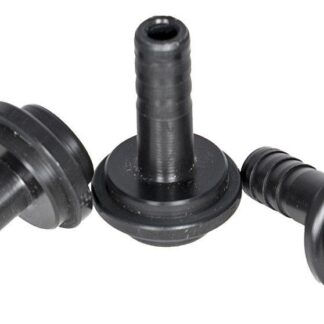
1/2″ Hose Tail for Y & L Burr
£2.99 Add to cart -
In stock

3/4 BSP HD Cask Beer Turndown Tap
£27.99 Add to cart -
In stock

3/4 BSP Thread – Plastic Cask Beer Racking & Dispense Tap
£40.99 Add to cart -
In stock
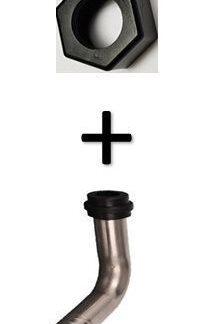
3/4 BSP Turn Down Spout & Nut
£16.99 Add to cart -
In stock

3/4″ BSP HD Cask Beer Turndown Tap with Hex Burr & 1/2″ Hose Tail
£32.99 Add to cart -
In stock

3/8″ Hose Tail for 3/4″ Burr
£2.99 Add to cart -
In stock

3/8″ Hose Tail for Y & L Burr
£2.99 Add to cart -
In stock
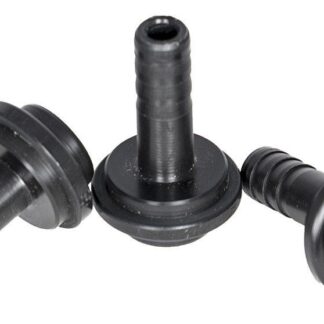
5/8″ Hose Tail For 3/4″ Burr
£2.99 Add to cart -
In stock
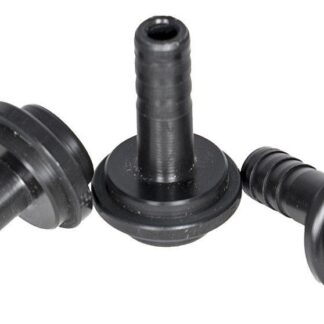
5/8″ Hose Tail for Y & L Burr
£2.99 Add to cart -
In stock
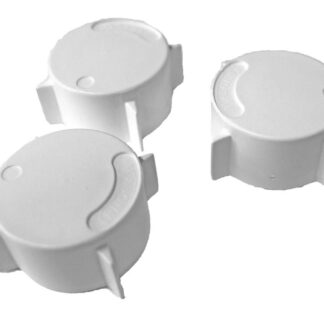
Blanking Wing Burr – 3/4 BSP
£2.99 Add to cart -
In stock
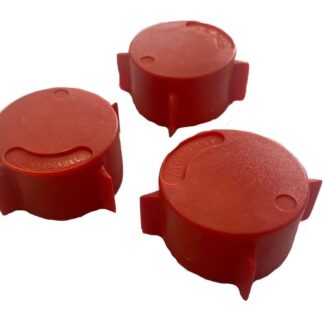
Blanking Wing Burr – L Thread
£2.99 Add to cart -
In stock
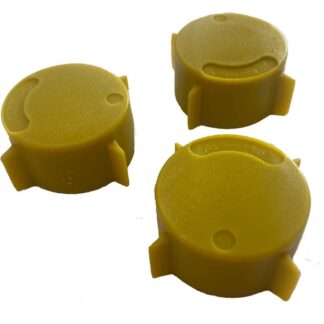
Blanking Wing Burr – Y Thread
£2.99 Add to cart -
In stock

Cask Ale Single Tap
£17.99 Add to cart -
In stock

Cask Tap Adaptor for 3/4″ to L Thread
£4.99 Add to cart -
In stock

Cask Tap Adaptor for 3/4″ to Y Thread
£4.99 Add to cart -
In stock

Cask Tap Cleaning Brush
£4.99 Add to cart -
In stock
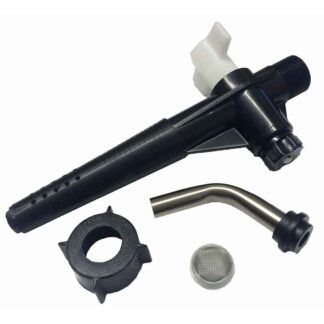
Dispense Plastic Cask Tap
£27.99 Add to cart -
In stock

Double Plastic Cask Tap
£24.99 Add to cart -
In stock

Drip Tray for Racking Cask Tap
£25.99 Add to cart -
In stock
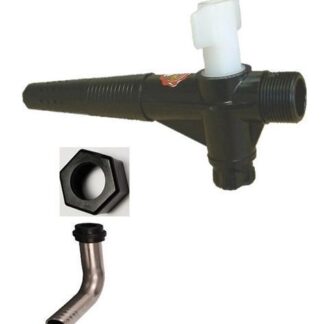
L Thread – Plastic Cask Beer Racking & Dispense Tap
£40.99 Add to cart -
In stock
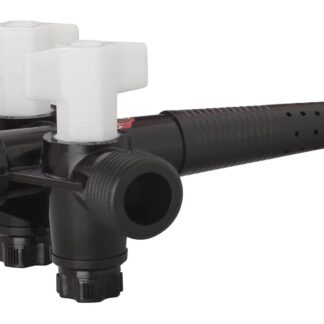
L Thread Double Cask Tap
£40.99 Add to cart -
In stock

L Thread Turn Down Spout & Nut
£16.99 Add to cart -
In stock
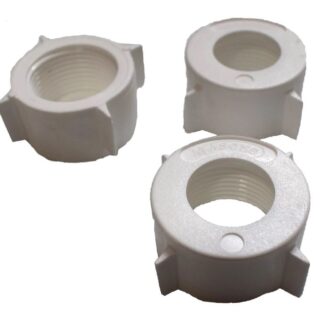
Plastic Hex Burr 3/4 BSP
£2.99 Add to cart
Showing 1–24 of 34 results
The tap goes in after the cask has been vented and allowed to settle. The hard spile comes out, the tap is lined up on the keystone and driven through in one firm strike with a wooden mallet u2014 hesitant tapping cracks the keystone and you lose beer. The cask then wants leaving alone again for the sediment to resettle before anything is pulled through it.
How to choose
What to know
Taps come in different thread patterns and materials, and the two decisions interact. Brass and stainless are the working choices behind a bar; wooden taps are traditional and still used at beer festivals and for gravity service where the look matters. Where a tap connects onward to a beer engine rather than serving straight into the glass, the thread on the outlet has to match whatever it is joining, so check the fitting on the line before ordering.
What to know
Anything that touches beer needs cleaning between casks. Taps come apart for that reason, and it is worth having a spare so one can be soaking while the other is in use.
Common questions
When should a cask be tapped?
After it has been vented and allowed to drop bright. Tapping too early stirs the sediment back through the beer and you will be pulling cloudy pints for hours.
Why did my keystone split?
Almost always because the tap went in with several light blows rather than one firm one. The keystone is designed to be punched through cleanly in a single strike.
Brass, stainless or wooden?
Brass and stainless are the practical choices for regular service and both clean easily. Wooden taps are traditional and common at festivals and for gravity-served cask, but they are a single-use item in some cellars because wood is porous and harder to sanitise.