Beer taps
A beer tap is the valve on the front of the font that the customer sees — it opens the line, controls the flow and shapes the pour.
- A compensator tap lets you slow a line that pours too fast
- Nozzles unscrew u2014 a creamer builds head, a plain spout does not
- Strip and clean taps weekly with the lines; drips are usually a seal
Showing 1–24 of 32 results
-
In stock

Antique Brass Handle 5″ for Standard Beer Tap
£17.99 Add to cart -
In stock

Antique Copper Handle 3″ for Standard Beer Tap
£17.99 Add to cart -
In stock
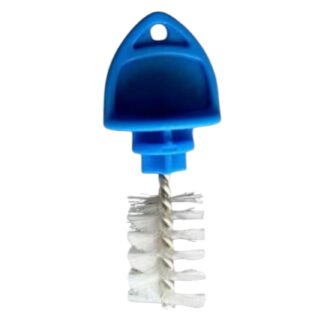
Beer tap brush | Hygiene plug for bar tap
£1.99 Add to cart -
In stock
Black Handle 5″ for Standard Beer Tap
£17.99 Add to cart -
In stock
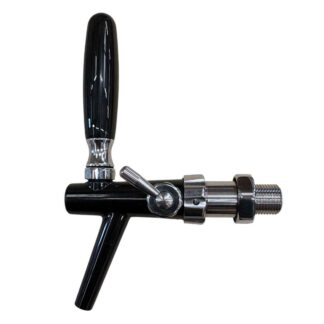
Black plastic compensator beer tap 1/2” thread 5/16” inlet
£52.99 Add to cart -
In stock

Black plastic handle
£9.99 Add to cart -
In stock
Cask Ale Ferrule – Traditional Handpull Fitting
£49.99 Add to cart -
In stock

Chrome beer tap – Drin-KIT
£65.99 Add to cart -
In stock
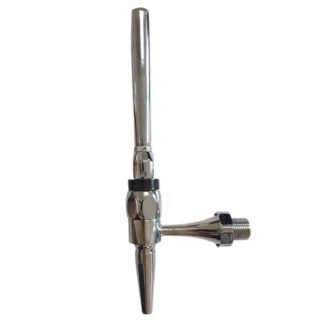
Chrome beer tap | Prestige – Drin-KIT 3/16″ inlet
£65.99 Add to cart -
In stock
Chrome beer tap | Prestige – Drin-KIT 5/16″ inlet
£65.99 Add to cart -
In stock
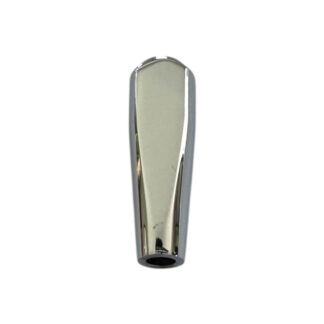
Chrome Handle 3″ for Standard Beer Tap
£17.99 Add to cart -
In stock

Chrome Vari-flow beer tap with creamer nozzle | Drin-KIT
£77.99 Add to cart -
In stock

Clear plastic compensator beer tap 1/2” thread 5/16” inlet
£52.99 Add to cart -
In stock
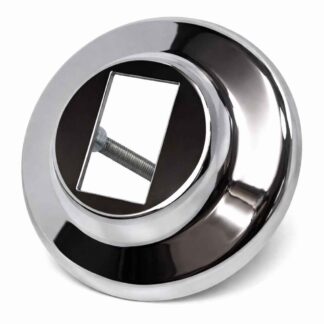
Counter Plate with Studs
£38.99 Add to cart -
In stock
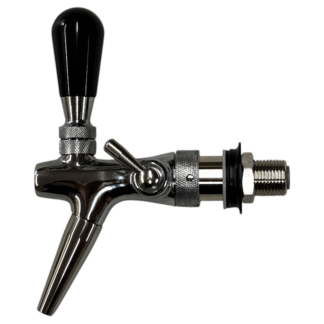
Elevate Your Pouring Experience with the Chrome Compensator Tap with Creamer Nozzle
£77.99 Add to cart -
In stock
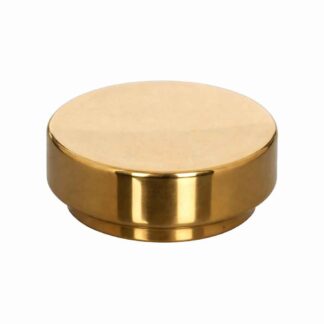
Flat Top Knob – Elegant and Secure Handle Solution
£13.99 Add to cart -
In stock
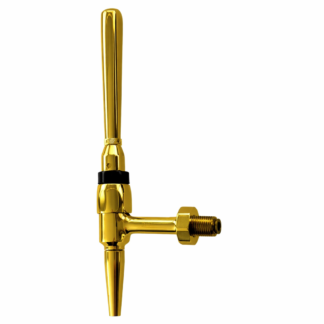
Gold beer tap – Drin-KIT
£90.99 Add to cart -
In stock
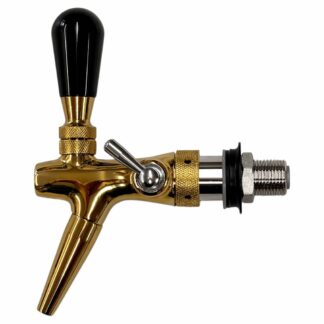
Gold compensator beer tap with creamer nozzle | Drin-KIT
£90.99 Add to cart -
In stock

Gold Handle 3″ for Standard Beer Tap
£17.99 Add to cart -
In stock
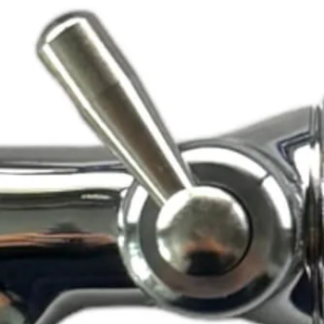
Leaver For Compensator Beer Tap
£8.99 Add to cart -
In stock
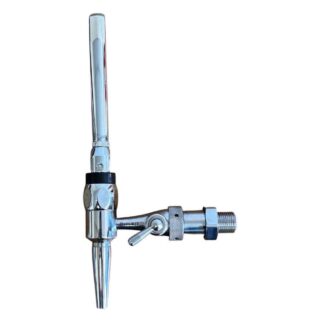
Prestige Compensator Tap Chrome
£84.99 Add to cart -
In stock
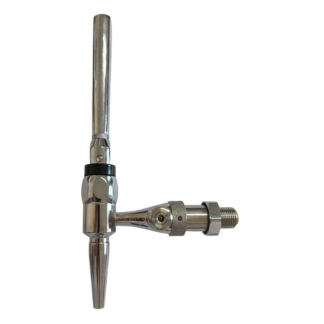
Prestige Variflow Tap Chrome
£84.99 Add to cart -
In stock
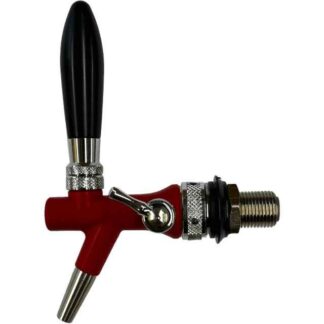
Red ACE compensator beer tap 1/2” thread 5/16” inlet 35mm Shank
£100.99 Add to cart -
In stock

Red plastic tap handle
£10.99 Add to cart
Showing 1–24 of 32 results
Taps divide into standard and compensator types. A standard tap is a simple on-off valve and suits a short, well-balanced line. A compensator has an adjustable restrictor inside it, which lets you slow the flow to match a line that would otherwise pour too fast and throw all head u2014 useful where the run from cellar to bar is long or the pressure is higher than the line really wants.
How to choose
What to know
The nozzle on the end changes the pour more than people expect. A plain spout gives a clean fill; a creamer or sparkler nozzle forces the beer through fine holes and builds a tight head, which is what a lot of stouts and northern-style ales are served with. Nozzles usually unscrew, so one tap can do both jobs.
What to know
Taps come apart for cleaning and they need to, on the same weekly cycle as the lines. A tap that drips, sticks or pours slower than it used to has almost always got a worn seal or a partly blocked nozzle rather than a fault in the body.
Common questions
What is a compensator tap?
A tap with an adjustable restrictor built into it, so you can slow the flow without changing the gas pressure. It is the usual answer to a long line that pours too fast and gives nothing but head.
Why does my tap drip?
Nearly always a worn seal rather than a broken tap. Taps are designed to be stripped, and a seal kit costs a fraction of a replacement.